
Fixed Radiation Measurement Systems and Choosing a Portal Monitor
Detecting radioactive material at scrap yards, ports, foundries and customs sites: how the instrument works, which volume suits which passage, and how NDK conformity works.
A portal monitor detects radioactive material carried by a passing vehicle or person without stopping it. It produces no image and emits no radiation; it only listens to the radiation around it and raises an alarm when it sees a rise above the natural background.
Aytan Teknoloji is both a manufacturer and a distributor: we build portal monitors for vehicle and pedestrian passages in Türkiye under the RADMON brand, and we are the sole authorised distributor for Atomtex fixed and portable measuring instruments.
What is a portal monitor and how does it work?
The detector in a passage monitor is usually a plastic scintillator: when a gamma ray is absorbed in the plastic it produces a brief flash of light, and a photomultiplier turns that flash into an electrical pulse. What the instrument counts is these pulses — counts per second (CPS).
The panels are placed facing each other on both sides of the lane, so that a source in the middle of the load still stays close enough to at least one panel. The instrument measures the natural background continuously and subtracts it. Because background varies with local rock, concrete and weather, this subtraction is not a fixed number but a continuously updated average.
The alarm decision is a statistical one: counts fluctuate on their own, so the instrument waits until a rise is too large to be explained by that fluctuation. The larger the detector volume, the more counts arrive from the same source and the sooner the decision can be made — which is why volume translates directly into passage speed.
Pedestrian, vehicle and baggage monitors
Pedestrian monitors
They screen the flow of people at facility or border entry points. A person passes at normal walking pace and the gap between panels is narrow, so a relatively small detector volume is enough. Typically used at hospitals, nuclear facilities and the exits of controlled areas.
Vehicle and cargo monitors
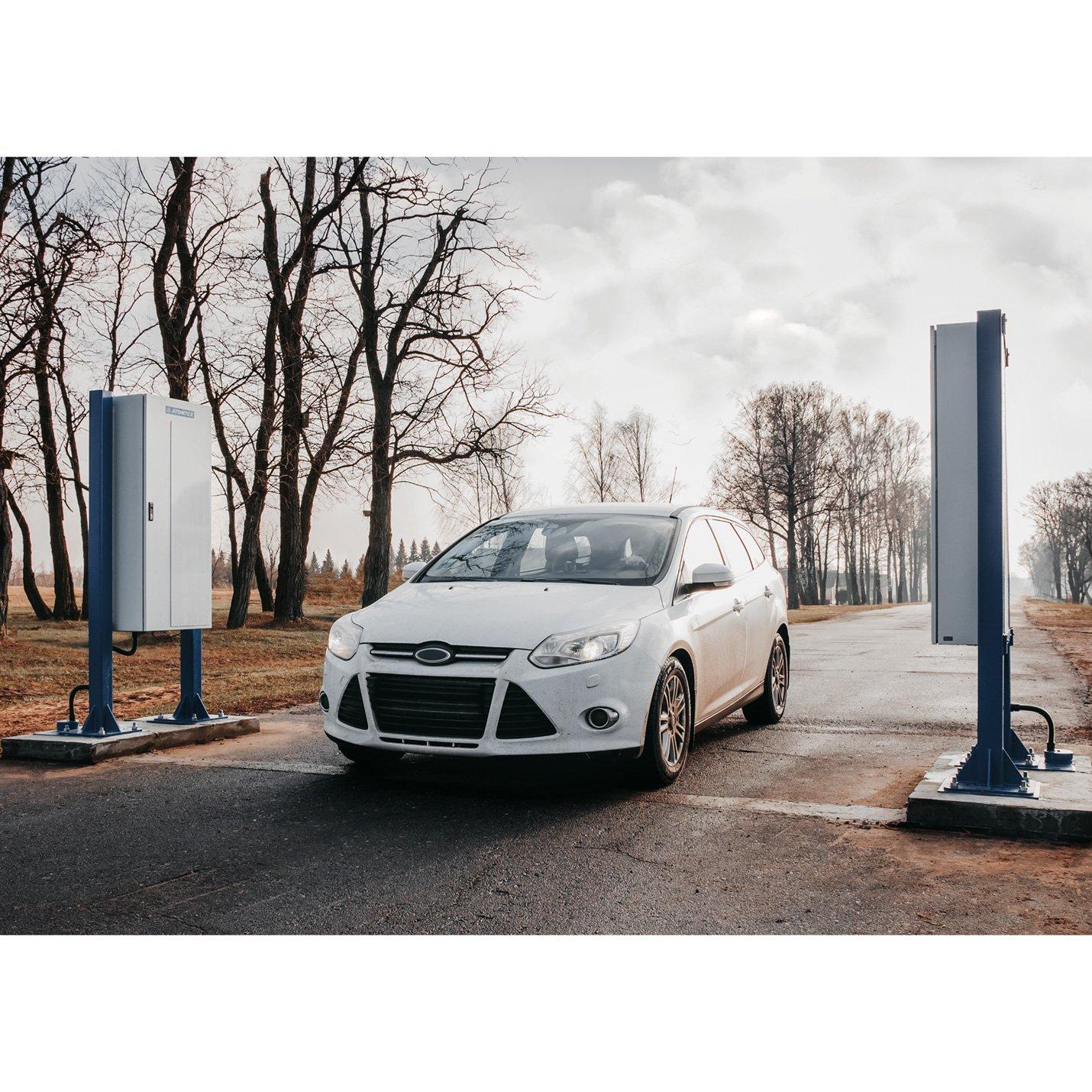
For trucks, lorries and railway wagons. Lane width and load thickness are greater here, so the largest detector volumes are required. Scrap yards, ports, iron and steel and foundry plants, and customs crossings.
Baggage and mail monitors
They screen parcels, baggage and mail items on a conveyor. The volume is small, but the geometry places the detector very close to the source; used by cargo and postal operators and at airports.
Which model? Volume, sensitivity and passage speed
Three things decide the choice: the width of the passage (a person or a lorry), the speed of passage, and the smallest source that must be detected. All three come back to one quantity — scintillator volume. As volume grows, counts from the source grow, and the same alarm reliability is reached within a shorter passage time. A low volume is adequate for pedestrian passage, while the largest models are preferred for lorry traffic.
RADMON model comparison
| Model | Scintillator volume | Sensitivity (1 µCi Cs-137) | Detection time | Panel size (mm) |
|---|---|---|---|---|
| RA-21 | 2 × 1 L | 1,000 CPS | — | 550 × 150 × 100 |
| RA-25 | 2 × 5 L | 3,000 CPS | — | 1480 × 150 × 100 |
| RA-27 | 2 × 7,5 L | 5,000 CPS | < 1 second | 1480 × 200 × 100 |
| RA-211 | 2 × 11 L | 7,000 CPS | < 1 second | 1480 × 200 × 100 |
Sensitivity figures are the manufacturer's own technical table values for a 1 µCi Cs-137 source. Detector: BC408 class plastic scintillator. A neutron detector is optional on all four models.
Coming soonThe RA-AI series brings intelligent classification that helps separate NORM-driven alarms from industrial radioactive sources.
Most alarms are not a real source
A large share of portal monitor alarms is caused by naturally occurring radioactive material (NORM): zircon sand, phosphate fertiliser, thoriated welding electrodes, certain ceramics and refractories, red mud. These are not breaches of the regulations. Judging whether the load really carries a dangerous source requires the alarm to be assessed, which is why a portable instrument — and where possible a nuclide identifier — is kept alongside the portal monitor.
The fixed radiation measurement (SRÖ) obligation in Türkiye
Facilities that import and process metal scrap, and coastal facilities, are required to install a radiation measurement system. The conformity of the systems referred to in the “Communiqué on Import Inspection of Metal Scrap Controlled for the Protection of the Environment” and the “Regulation on the Procedures and Principles for Granting Operating Permits to Coastal Facilities” is assessed and approved by the Nuclear Regulatory Authority (NDK).
The legislation does not call it a “portal monitor”: the fixed system is an SRÖ (fixed radiation measurement) instrument, and the hand-held instrument that must accompany it is a TRÖ (portable radiation measurement) instrument. The document issued at the end of the process is the RÖSUB (Radiation Measurement System Conformity Certificate).
- Validity of the conformity certificate (RÖSUB)
- Two years. The renewal application is made within the three months before the certificate expires.
- Instrument documentation
- Documents showing the technical specifications of the SRÖ and TRÖ instruments, and valid calibration certificates for both.
- Designated personnel
- A Radiation Protection Officer (RKG) must be present at the facility; a pass certificate from the examination coded “RÖK” is required.
- On-site inspection
- The SRÖ instruments must be mounted in a suitable place and in working order, and the instructions must be displayed in the area where the control unit is located.
- Notification threshold
- A dose rate measured on metal scrap material exceeding 2 mR/h (20 µSv/h) is reported to NDK.
- Quarantine area
- Concrete inner floor, surface area of not less than 100 m².
- Temporary storage pit
- Dimensions of not less than 2 × 2 × 2 m, with all edges at least 20 cm of concrete.
These values are taken from NDK's own publications. They should be confirmed against the Authority's current notices before an application is made. Nukleer Duzenleme Kurumu (NDK) - Sikca Sorulan Sorular, bolum 15-18
Built in Türkiye: RADMON panel detector systems
We manufacture the most widely used portal monitors at vehicle and pedestrian passages in Türkiye.
RADMON panel detector systems are designed and manufactured in Türkiye by Aytan Teknoloji. The practical benefit of local manufacture is spare parts and service time: if a panel or control unit fails, the instrument does not travel abroad, and calibration and maintenance are handled by the same team.
Portal monitor products
The RADMON systems we manufacture ourselves, and the Atomtex portal monitors for which we are the sole authorised distributor.
RADMON — our own manufacture
Atomtex
Atomtex
AT2327 Alarm Dosimeter (Vehicle Radiation Monitors)
View product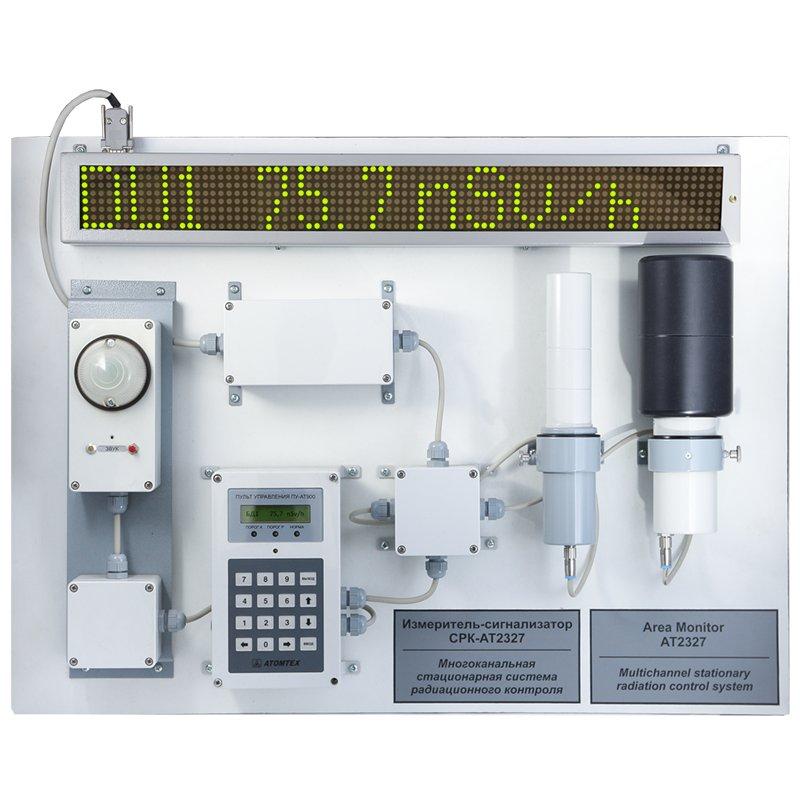
Atomtex
AT2327 Alarm Dosimeter (Pedestrian Radiation Monitors)
View product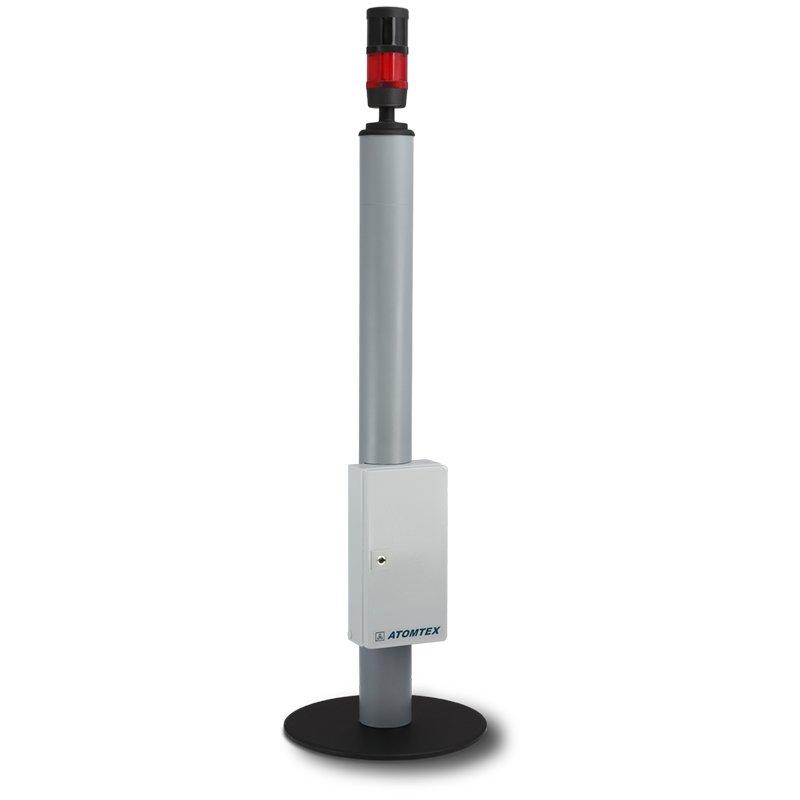
Atomtex
AT2327 Alarm Dosimeter (AT920B, AT920P Pedestrian Radiation Monitors)
View product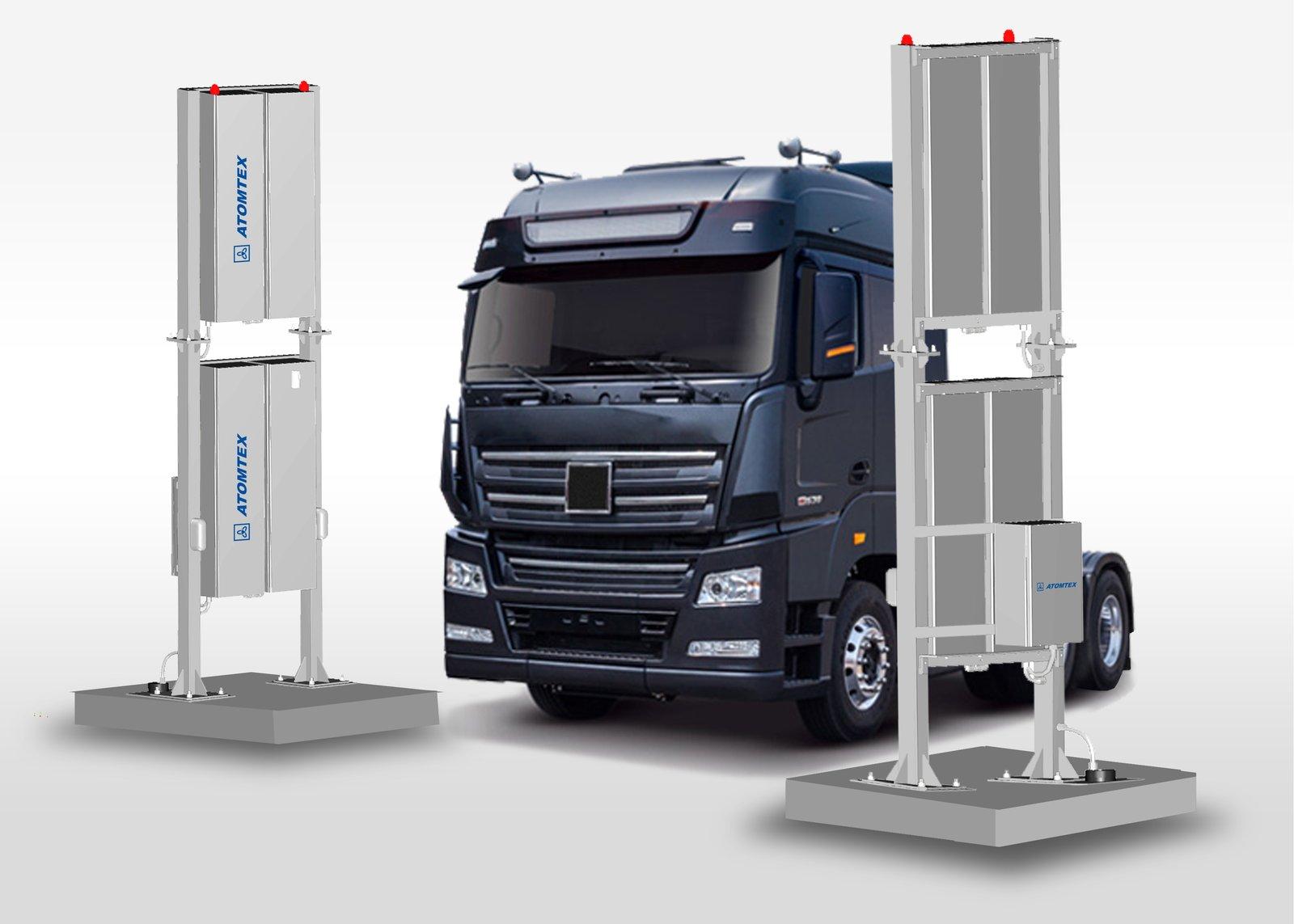
Atomtex
AT2329 Radiation Portal Monitor
View product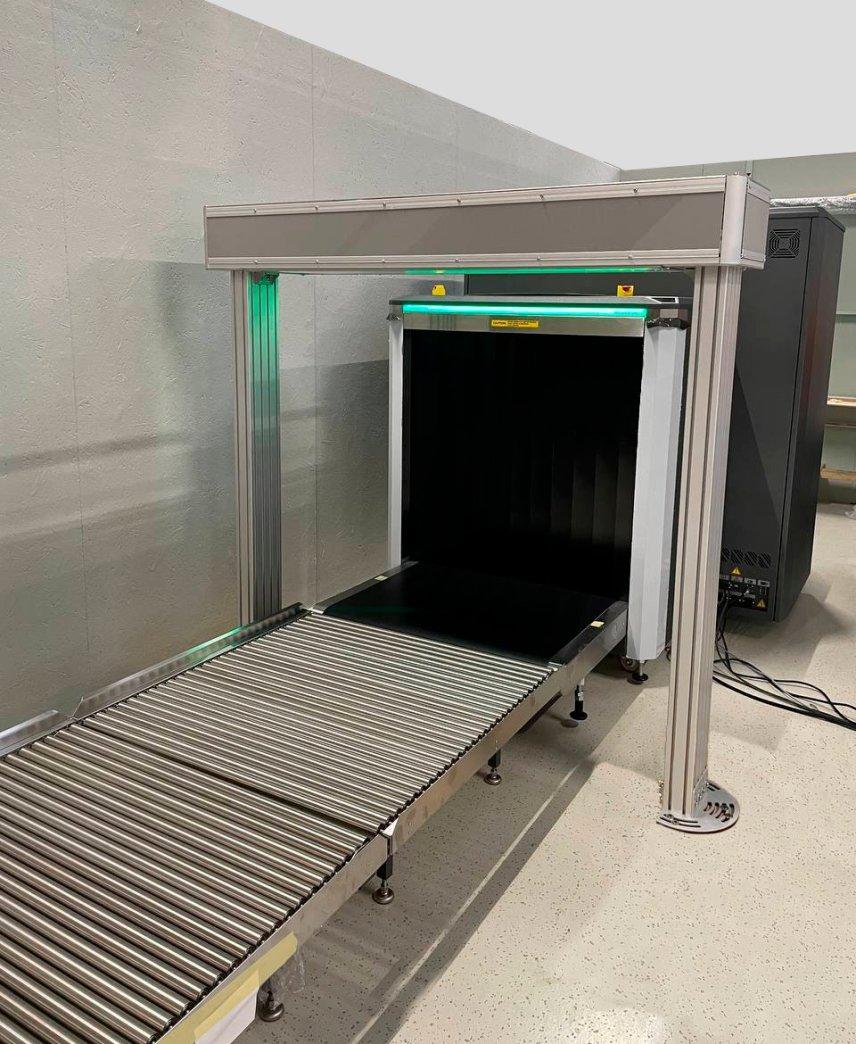
Atomtex
AT2329B Baggage Gamma Radiation Monitor
View product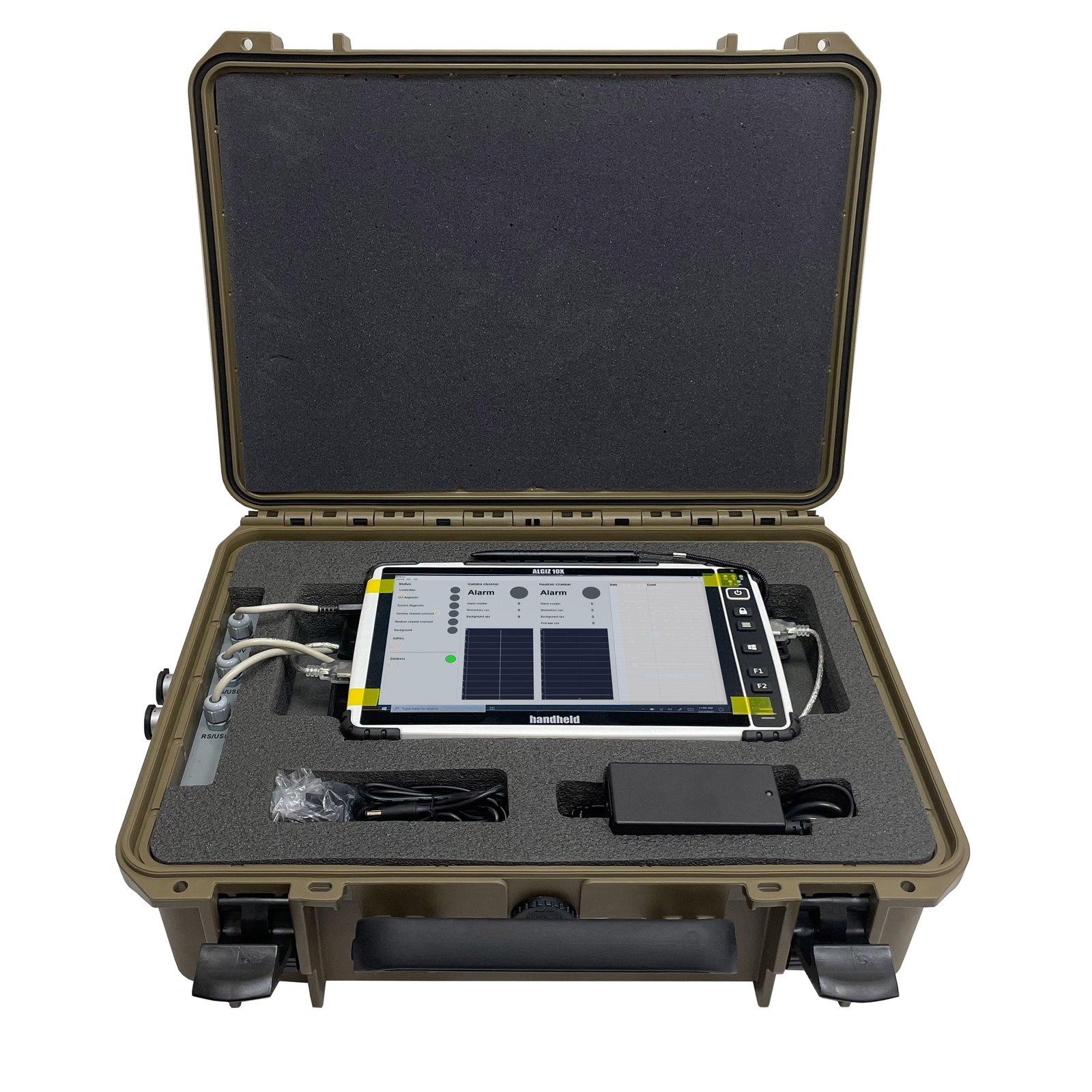
Atomtex
AT6110 Radiation Portal Monitor (rapid deployable)
View product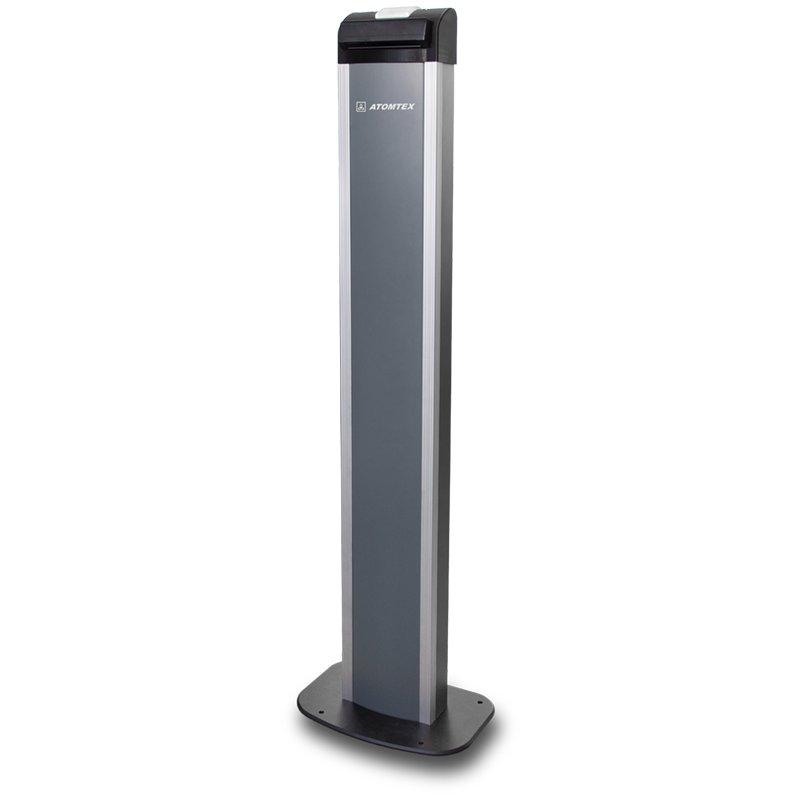
Atomtex
AT930 Pedestrian Radiation Monitor
View productRelated knowledge base pages
Let us work out together which model fits
We survey the site on the basis of passage type, lane width, daily vehicle count and your RÖSUB process where applicable. Use radmon.net for RADMON panel systems and this form for Atomtex instruments.
Request a quotation